Recommended Products
Sponsored

The Mk 12 Special Purpose Rifle became one of the most respected precision rifles used by U.S. special operations forces during the War on Terror. Designed as a designated marksman platform built on the AR-15 system, the rifle combined match-grade components, advanced optics, suppressors, and specialized ammunition to deliver exceptional accuracy and extended range on the battlefield.
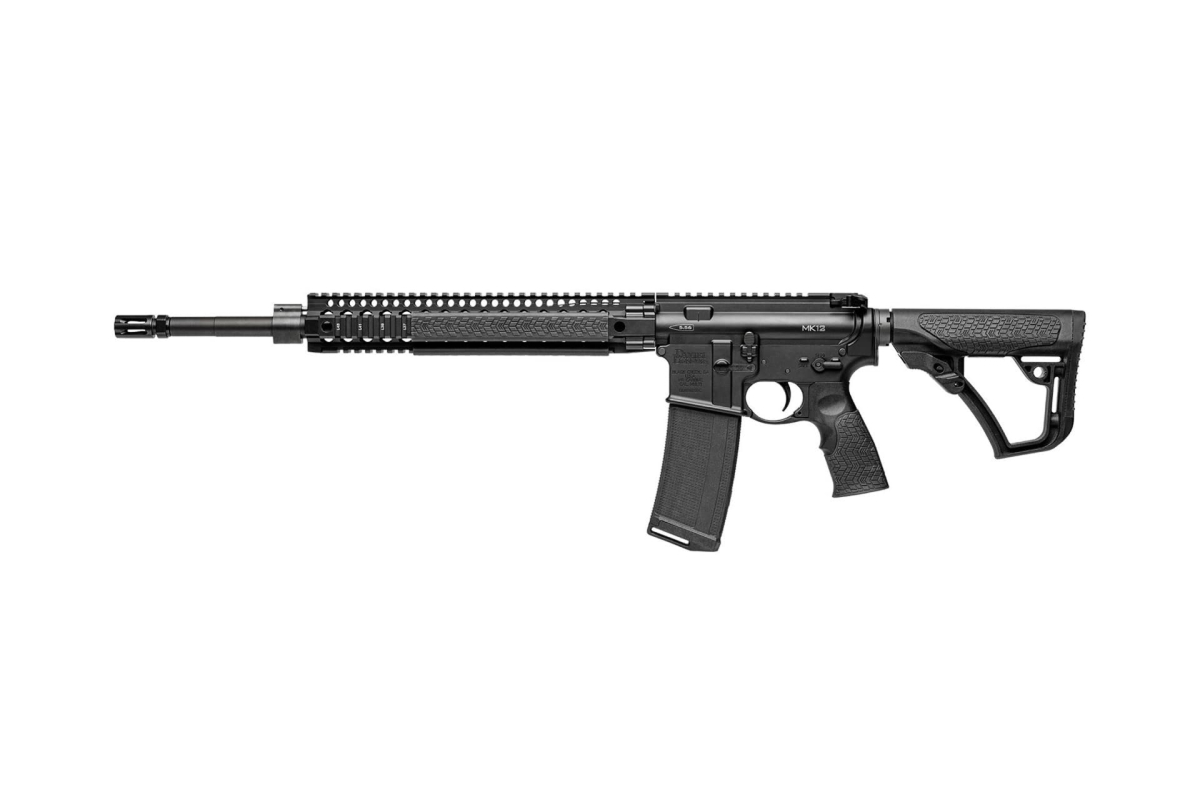
The Mk 12 Special Purpose Rifle emerged in the early 2000s during the early years of the War on Terror. The rifle served with U.S. military units from 2002 to 2017, gaining a reputation as one of the most effective weapons systems used in Afghanistan.
It ranked among the top three most valued weapon platforms deployed in that conflict, alongside the Mk 19 grenade launcher and the M240 machine gun.
Unlike many military projects, the development of the Mk 12 was heavily influenced by innovations from the civilian shooting community. Competitive shooters and firearms manufacturers had already been refining AR-15 accuracy through improved barrels, triggers, and optics long before the military adopted similar ideas.
The Mk 12 project evolved from earlier concepts such as “Recce” rifles used by Navy SEAL reconnaissance units. These rifles featured heavier barrels and magnified optics to improve the range and precision of standard carbines.
The new rifle was developed under the SOPMOD program—short for Special Operations Peculiar Modification—which focused on enhancing the capabilities of existing rifles like the M4 Carbine.
Initially, the SPR designation meant Special Purpose Receiver, referring to a precision upper receiver that could be installed on an existing M4 lower. However, soldiers quickly preferred the complete configuration, leading to the rifle eventually becoming known as the Special Purpose Rifle.
Development was overseen by the Naval Surface Warfare Center Crane Division, which established detailed specifications for the new designated marksman platform.
One of the defining features of the Mk 12 was its 18-inch heavy match barrel.
Early rifles were built using stainless barrels sourced from several manufacturers, including:
The barrel used a rifle-length gas system and a 1:7 twist rate, optimized for stabilizing heavier bullets.
At the muzzle sat a specialized suppressor mount designed by Ops Inc. (now known as Allen Engineering). The device functioned both as a muzzle brake and as a mounting platform for the rifle’s suppressor.
The original Mk 12 Mod 0 was known for its distinctive carbon fiber handguard manufactured by Precision Reflex Inc.
At the time, most free-floating handguards were designed for competition rifles and were either too heavy or too fragile for military use. The PRI carbon fiber design offered an ideal balance between strength and weight.
Benefits of the handguard included:
Its durability and comfort made it well suited for extended use in harsh environments such as the mountains of Afghanistan.
The rifle used the ARMS #38 Swan Sleeve, a long rail system produced by A.R.M.S. Inc..
This rail extended across the receiver and handguard, creating a continuous mounting surface for optics, night vision devices, and laser aiming systems.
The rifle also included folding iron sights designed by Precision Reflex Inc., ensuring backup aiming capability in case optical systems failed.
Another distinctive feature of the rifle was the Gas Buster charging handle, also produced by Precision Reflex Inc..
This component was specifically designed for suppressed rifles. When firing with a suppressor attached, gas often vents backward into the shooter’s face through the charging handle area.
The Gas Buster design redirects those gases away from the shooter, improving comfort and visibility during firing.
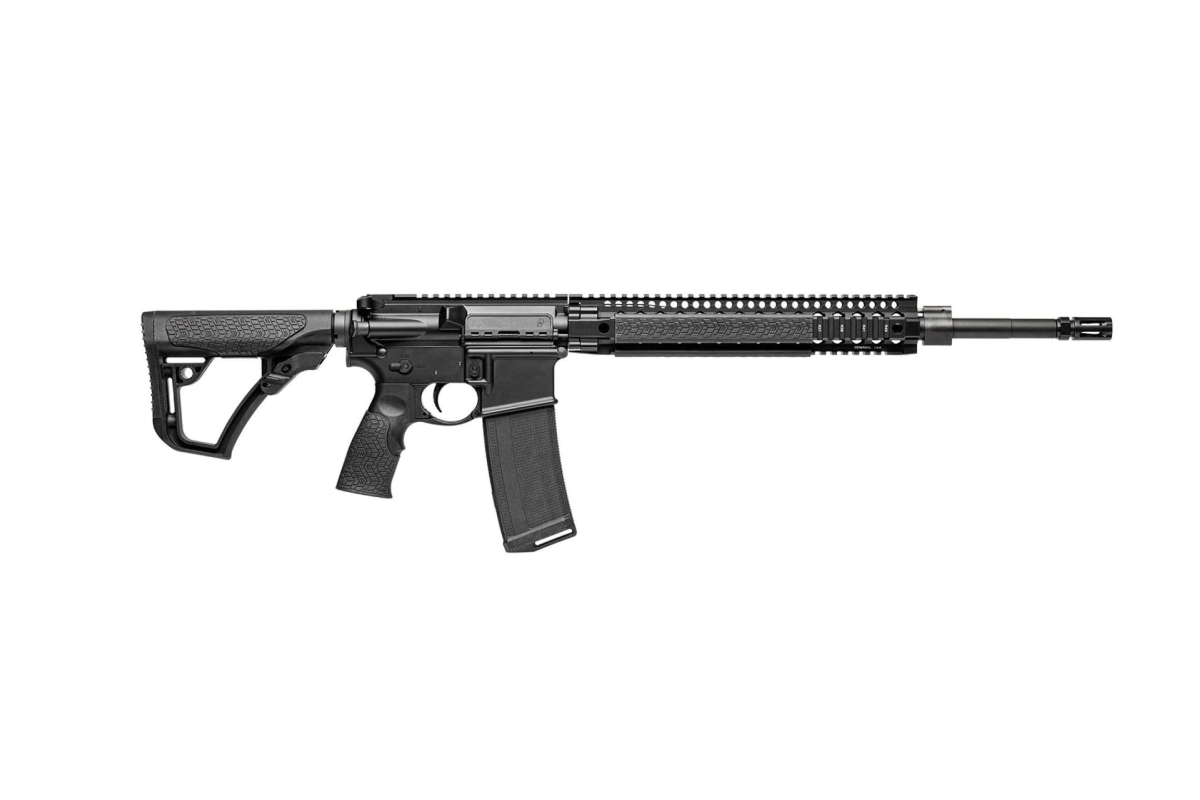
The rifle’s effectiveness came not just from the weapon itself but from the ammunition designed for it.
The Mk 262 Mod 1 was developed by Black Hills Ammunition specifically for the Mk 12 system.
This cartridge uses a 77-grain open-tip match bullet, which offers:
Compared with standard military ammunition such as the 5.56×45mm NATO M855 load, Mk 262 produced significantly tighter groups and more effective performance at extended distances.
The ammunition was also loaded with flash-suppressed powder, which reduced visible muzzle flash when firing at night especially when combined with a suppressor.
Three primary variants of the Mk 12 were produced:
The original version featured:
This configuration became the most recognizable form of the rifle.
The Mod 1 version retained the same barrel and internal components but introduced several changes:
These modifications increased accessory compatibility but slightly increased weight.
The Mod H variant was developed for the U.S. Army’s 5th Special Forces Group.
It used a shorter 16-inch barrel produced by Noveske Rifleworks, along with a mid-length gas system and 1:8 twist rate.
This design made the rifle lighter and more maneuverable while still maintaining strong long-range capability.
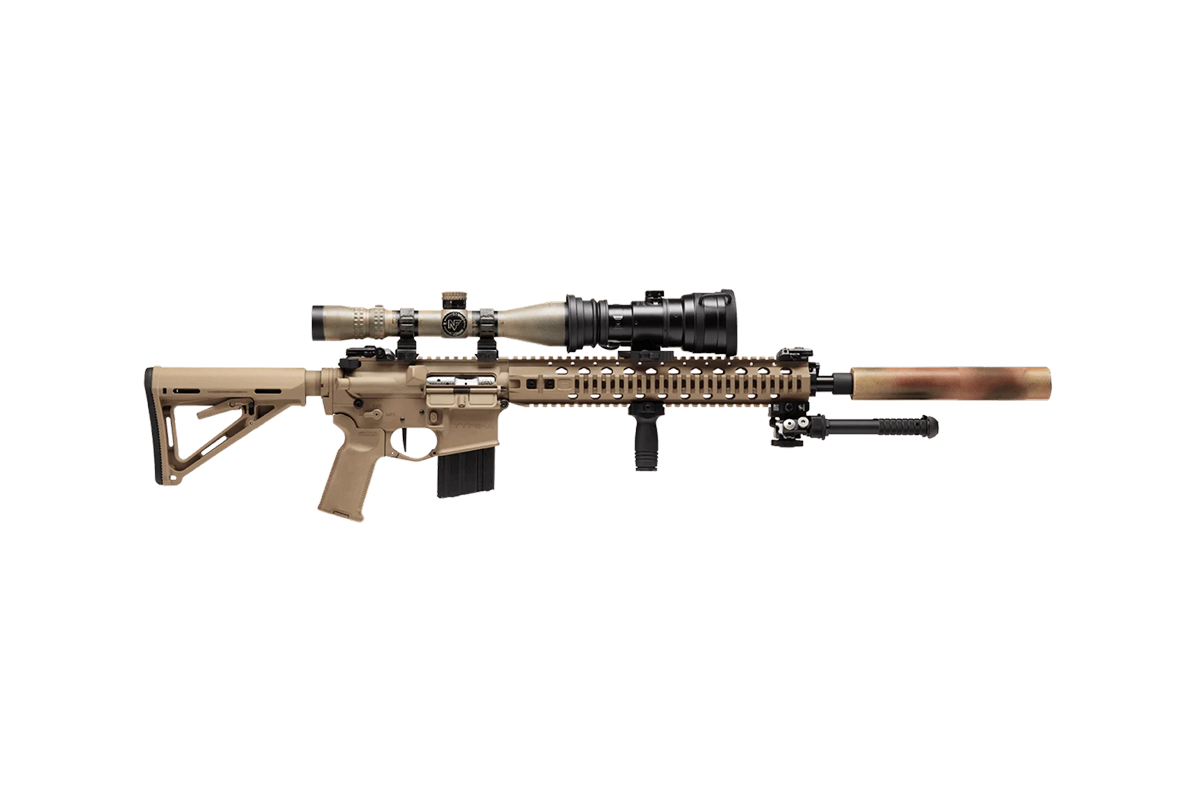
The Mk 12 quickly gained a reputation for precision and reliability in combat.
Stories from Iraq and Afghanistan often highlighted the rifle’s effectiveness in long-range engagements. Its combination of match barrel, suppressor, magnified optics, and Mk 262 ammunition allowed special operations troops to engage targets at distances far beyond the capabilities of a standard carbine.
Despite its accuracy and effectiveness, the rifle was eventually phased out in 2017 as newer platforms replaced it in the designated marksman role.
The Mk 12 was capable of MOA-level accuracy with quality ammunition. Military rifles were expected to produce roughly 8-inch groups at 600 yards, which is about 1.3 MOA excellent performance for a combat rifle.
Commercial versions produced by Precision Reflex Inc. today often achieve 1 MOA or better, especially when paired with Mk 262 ammunition.
The Mk 12 Special Purpose Rifle stands as one of the most effective AR-15-based precision rifles ever deployed by the U.S. military.
Its success came not from a single innovation but from the integration of several key elements:
Together, these components created a highly capable designated marksman platform that proved its value in real combat environments. Even years after its retirement from service, the Mk 12 remains an iconic and influential rifle in the history of modern military firearms.
Get the latest 2A news and updates, plus save on gear, guns, ammo, and accessories. Join over 1.1 million readers for our daily email
By clicking one of the buttons above, you agree to our Terms & Conditions and Privacy Policy. Cancellation takes effect at the end of the next business day.
Firearms news where precision meets passion, and every shot matters. We're proud champions of history's patriots and steadfast defenders of the Second Amendment.