Ammo

Otto Bock’s 9.3x62mm Mauser: A 119-Year-Old Big Game Classic Still Going Strong
Developed in 1905 by German gunsmith Otto Bock, the 9.3x62mm Mauser remains one of the most respected medium-bore big-game cartridges in the world more than a century after its introduction. Originally designed for use in the standard Mauser 98 action, the cartridge was intended to provide hunters with a hard-hitting option suitable for large game in Europe, North America, and Africa. At the time, Germany maintained overseas colonies, and while the 8x57mm Mauser military cartridge was widely available, it was considered underpowered for some African game. Bock recognized the need for a more powerful sporting round that would still function in an unmodified Mauser 98 rifle aside from a barrel change.

New Ammunition Manufacturer Opens in Historic WWII Aviation Plant
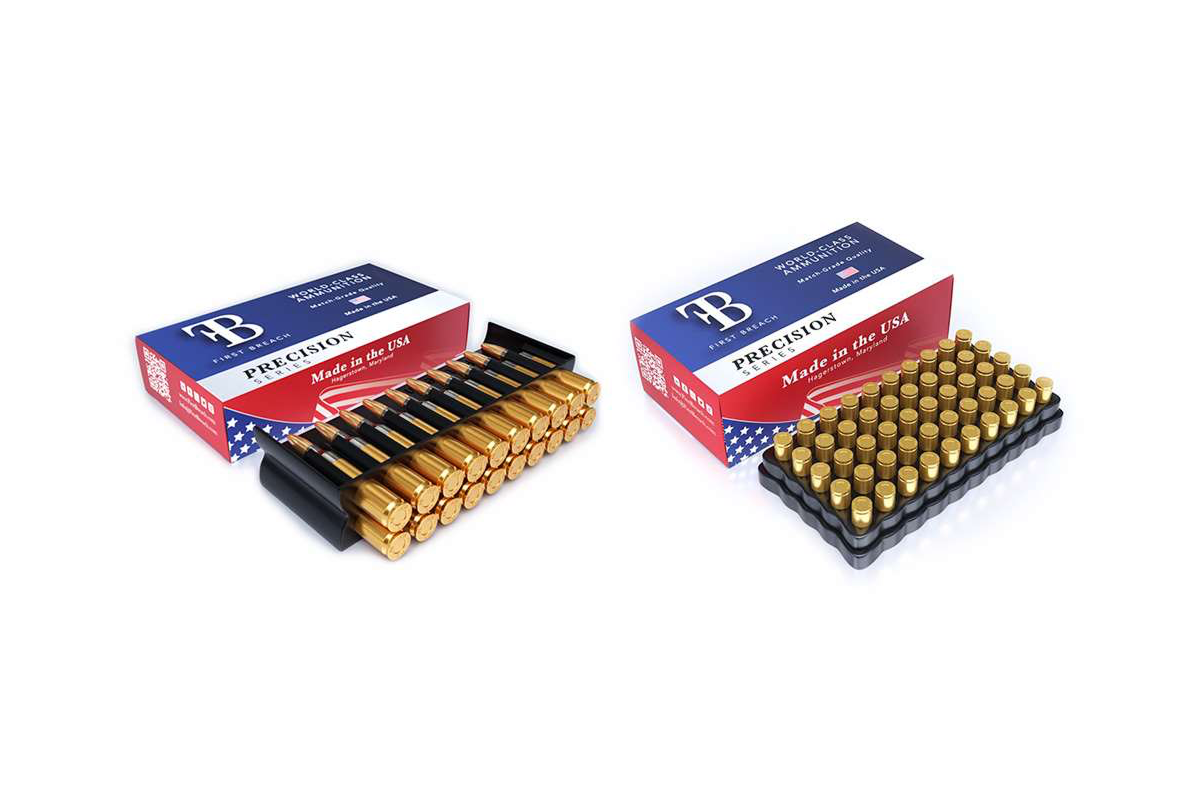
A new ammunition manufacturer, First Breach, has opened its doors inside a historic World War II-era aviation plant in Hagerstown, Maryland, marking a notable addition to the domestic ammunition industry amid ongoing efforts to stabilize supply and pricing. Founded in 2022 by Jeffrey Low and his son Jordan Low, First Breach was created in response to recent ammunition shortages and price spikes that peaked during the COVID-19 pandemic. During that period, common calibers such as 9mm and 12-gauge became scarce, with prices climbing dramatically due to panic buying, supply chain disruptions, and raw material shortages particularly primers.

From Wildcat to Mainstream: The Story Behind 300 AAC Blackout
Today, the 300 AAC Blackout sits comfortably among the most popular alternatives to 5.56 NATO in the AR-15 platform. It’s widely available, supported by nearly every major manufacturer, and prized for its ability to run both subsonic and supersonic loads effectively.

Inside America’s Rimfire Powerhouse: A Look Behind the Scenes at CCI
From a converted chicken coop to one of the world’s largest rimfire producers. Tucked into the rolling hills of Lewiston, where the Snake and Clearwater rivers converge, sits one of the most important ammunition factories in the United States. Surrounded by big-game country and legendary bird hunting, it’s fitting that this small Idaho city became home to a rimfire giant: CCI. For decades, CCI has been synonymous with reliable .22 LR performance. But how did it get there and how does it keep up with relentless demand in today’s market?

Is Another Ammunition Crunch on the Horizon?
Rising global demand and supply chain strain could tighten the market once again. American shooters have lived through shortages before and most remember them vividly. Empty shelves. Purchase limits. Bulk packs selling at eye-watering markups. Whether it was the post-2012 buying surge, the COVID-era scramble, or the so-called “Great .22 LR Drought,” ammunition scarcity has a way of catching people off guard. Now, warning signs are flashing again.

Are 5.45x39mm and 7.62x39mm Running Out of Road in America?
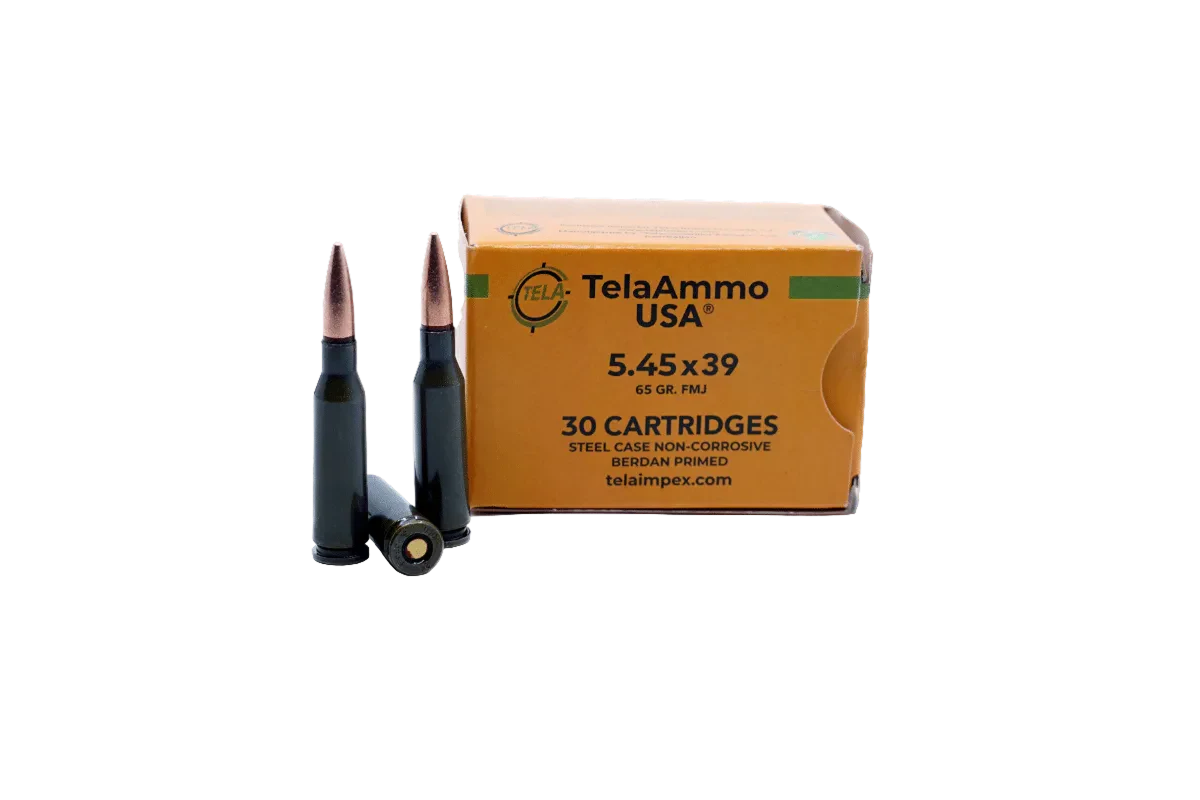
For decades, two Soviet-designed cartridges carved out a loyal following among American shooters: the 5.45x39mm and the 7.62x39mm. Born of military necessity and refined through global conflicts, both rounds earned reputations for reliability, battlefield effectiveness, and affordability. But today, a different fight is unfolding not on distant soil, but on gun store shelves across the United States. With import bans, shrinking surplus supplies, and rising costs, many shooters are asking a simple question: are these calibers still viable here?

Defensive 9mm Showdown: Sierra THD vs. Black Hills EXP
Not all 9mm ammunition is created equal especially when it comes to concealed carry. While practice ammo might punch holes in paper just fine, defensive loads are engineered for controlled expansion, reliable penetration, and consistent performance. Two standout options in that category come from Sierra Bullets and Black Hills Ammunition.

What’s the Ideal Barrel Length for the .450 Bushmaster?
Testing showed that reducing a .450 Bushmaster barrel from 18 inches to 10.5 inches resulted in only modest velocity loss roughly 150 fps in some loads. While the shorter barrel maintained strong energy and accuracy, it experienced cycling issues due to under-gassing. For reliable performance, a traditional 16–18 inch barrel remains ideal, though a tuned short barrel can still deliver effective short-range hunting power.