Recommended Products
Sponsored

Thermal optics have transformed modern shooting and hunting. In the past decade, improvements in electronics and sensor technology have made compact thermal devices widely available to civilians. These tools allow shooters to detect heat signatures instead of relying on visible light, making them extremely useful for nighttime hunting, wildlife observation, and recovery of downed animals.
Thermal optics have transformed modern shooting and hunting. In the past decade, improvements in electronics and sensor technology have made compact thermal devices widely available to civilians. These tools allow shooters to detect heat signatures instead of relying on visible light, making them extremely useful for nighttime hunting, wildlife observation, and recovery of downed animals.
Companies like Pulsar have become leaders in this space, producing a wide range of thermal optics from entry-level units to high-end professional systems. One of the biggest decisions hunters face when buying a thermal optic is whether to choose a dedicated thermal scope or a clip-on thermal device that attaches in front of a traditional riflescope.
Understanding the strengths and weaknesses of each option can help determine which system fits your needs best.
A dedicated thermal scope replaces the traditional riflescope entirely. These optics are mounted directly onto the rifle and serve as the primary sighting system for night shooting.
A good example is the Pulsar Thermion 2 LRF XL50, one of the flagship thermal riflescopes offered by Pulsar.
This optic includes numerous advanced features:
These capabilities allow hunters not only to detect animals in darkness but also to record hunts and make precise long-range shots.

Dedicated thermal scopes offer several major advantages.
These features make dedicated thermals ideal for serious nighttime hunters or long-range shooting applications.
Despite their advantages, dedicated thermal scopes have a few drawbacks.
However, high-quality traditional optics can also cost thousands of dollars while lacking thermal capability.
A clip-on thermal attaches to the front of an existing riflescope. This allows shooters to keep their favorite daytime optic and add thermal capability when needed.
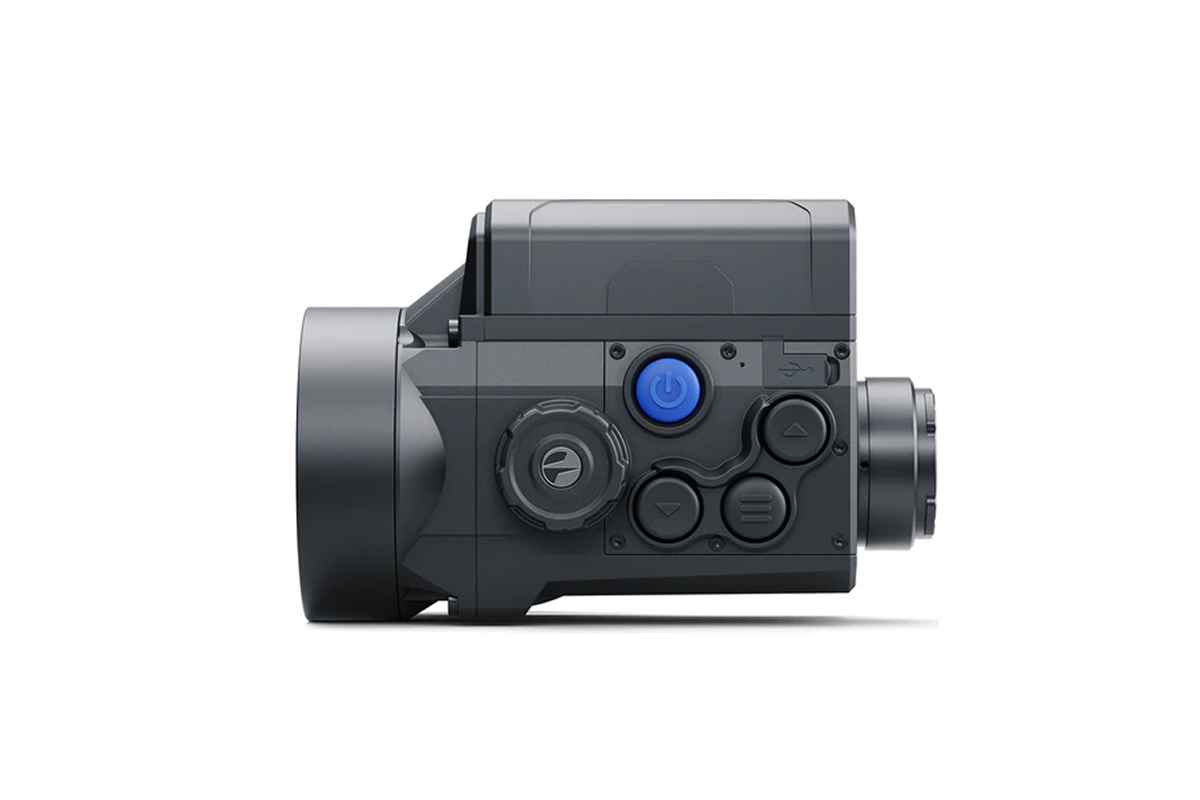
A popular example is the Pulsar Krypton 2 XG50 thermal clip-on.
This device mounts in front of a traditional scope and provides:
The system can even stream the hunt to multiple phones or tablets, allowing others to watch the live thermal feed.
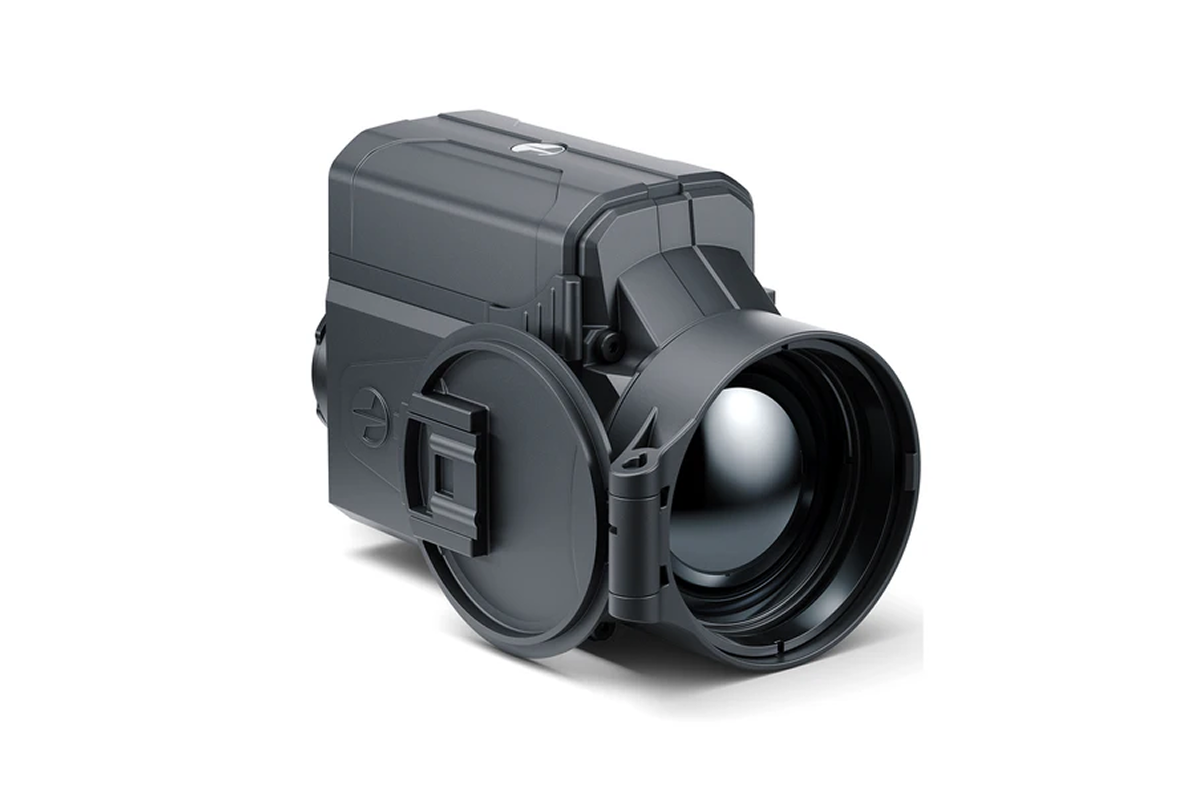
Clip-on thermal devices offer a different set of benefits.
Clip-on thermals also come with some limitations.
Some shooters solve this issue by simply leaving the clip-on mounted permanently, effectively turning the setup into a dedicated thermal system.
The best option depends largely on how you use your firearms.
Choose a dedicated thermal scope if:
Choose a clip-on thermal if:
Both clip-on thermals and dedicated thermal scopes are powerful tools for nighttime shooting and hunting.
Dedicated thermals deliver maximum performance and advanced features, while clip-ons offer flexibility and versatility across multiple rifles.
Manufacturers like Pulsar continue to push innovation in thermal optics, giving shooters more options than ever before.
For many serious hunters, the ideal setup eventually becomes both systems a dedicated thermal rifle for primary use and a clip-on device for adaptable situations.
Get the latest 2A news and updates, plus save on gear, guns, ammo, and accessories. Join over 1.1 million readers for our daily email
By clicking one of the buttons above, you agree to our Terms & Conditions and Privacy Policy. Cancellation takes effect at the end of the next business day.
Firearms news where precision meets passion, and every shot matters. We're proud champions of history's patriots and steadfast defenders of the Second Amendment.