Recommended Products
Sponsored

Rising global demand and supply chain strain could tighten the market once again. American shooters have lived through shortages before and most remember them vividly. Empty shelves. Purchase limits. Bulk packs selling at eye-watering markups. Whether it was the post-2012 buying surge, the COVID-era scramble, or the so-called “Great .22 LR Drought,” ammunition scarcity has a way of catching people off guard. Now, warning signs are flashing again.
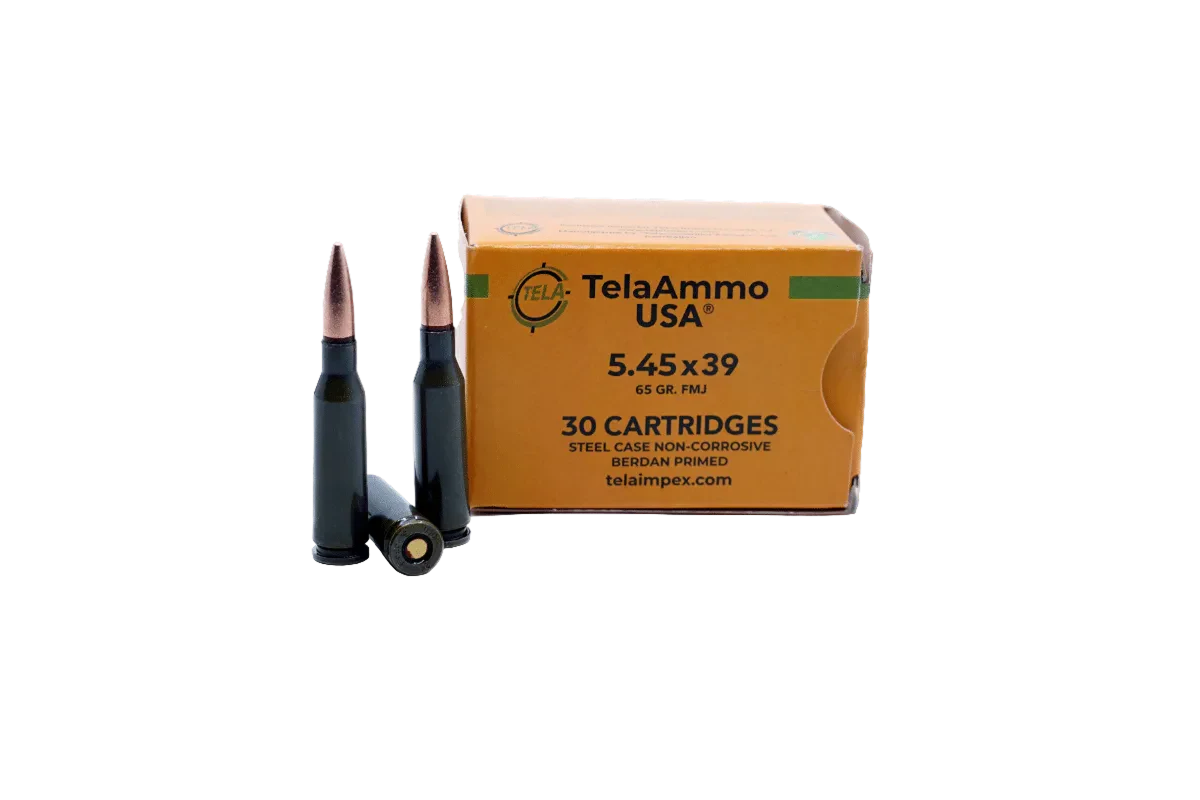
Over the last decade, U.S. shooters benefited from a steady stream of affordable imported ammunition. Steel-case cartridges from Russia and Eastern Europe filled range bags at prices domestic producers struggled to match.
That supply line has changed dramatically.
Russian commercial ammunition imports have effectively disappeared from the U.S. market. That removed millions upon millions of affordable rounds particularly in calibers like 7.62x39mm and .223 Remington from circulation. Unlike past shortages driven by panic buying, this isn’t inventory sitting in a warehouse waiting to ship. It’s production capacity that is no longer feeding the American market at all.
Military surplus isn’t the safety valve it once was either. Global conflicts, especially the ongoing war in Ukraine, have consumed enormous quantities of small-arms ammunition that might previously have filtered into civilian channels.
What’s left? Primarily new production domestic and select foreign imports competing to satisfy record numbers of American gun owners.

Compounding the issue is a tightening global supply of smokeless powder.
Major ammunition manufacturers, including brands under Vista Outdoor, have publicly acknowledged unprecedented global demand and supplier-driven price increases. Smokeless powder production relies heavily on nitrocellulose a material also used in military propellants and various industrial applications.
Global instability has sharply increased military demand. At the same time, certain overseas suppliers have reduced exports of key components, tightening the supply chain further.
The result? Higher production costs for both factory-loaded ammunition and the powder sold to handloaders. That pressure eventually works its way down to the consumer.
Unlike rumors that periodically circulate online, this isn’t a single-plant shutdown or a temporary logistical hiccup. It’s a global supply-and-demand squeeze.
The key difference between past shortages and the current situation is structural change. In previous cycles, production eventually caught up with panic buying. This time, some of the lost supply particularly Russian imports is unlikely to return.
More gun owners than ever are competing for a smaller and more expensive supply stream. That doesn’t necessarily guarantee empty shelves tomorrow, but it does mean pricing pressure and periodic regional shortages are realistic possibilities.
Rimfire cartridges like .22 LR remain one of the most cost-effective training options. Incorporating more rimfire practice into your routine can significantly stretch your centerfire reserves. Likewise, bulk purchasing common calibers such as 9mm and .223 Rem when prices dip can help smooth out market swings.
For reloaders, securing powder and primers during stable periods rather than waiting for rumors to spread is critical. Powder availability, in particular, may remain inconsistent as global military demand continues.

Preparation does not mean panic buying.
Start by assessing your realistic annual consumption. Separate your needs into categories:
Prioritize accordingly. Cover essential defensive or hunting needs first. Then build a reasonable reserve for practice and skill maintenance. Avoid overspending or stretching your budget chasing fear-driven rumors.
No one can predict precisely how long current supply pressures will last. Global conflicts and industrial bottlenecks don’t resolve overnight. But disciplined planning can reduce the impact on your shooting schedule and your wallet.
The lesson from the past 16 years is simple: ammunition markets are cyclical, but structural supply losses change the baseline. Shooters who plan ahead weather shortages far better than those who react after the shelves are already bare.
The question isn’t whether prices will fluctuate they always do. The question is whether you’ll be prepared when they do.
Get the latest 2A news and updates, plus save on gear, guns, ammo, and accessories. Join over 1.1 million readers for our daily email
By clicking one of the buttons above, you agree to our Terms & Conditions and Privacy Policy. Cancellation takes effect at the end of the next business day.
Firearms news where precision meets passion, and every shot matters. We're proud champions of history's patriots and steadfast defenders of the Second Amendment.