Recommended Products
Sponsored

Most gun owners suggest a 12-gauge shotgun or handgun for home defense, overlooking the AR-15 in .223 Remington or 5.56 NATO. However, considering terminal ballistics and control, the 5.56 carbine is a strong contender. Is the stigma against rifles in homes based on fact or myth?

The most common objection to using a rifle indoors is overpenetration. While that concern is legitimate, it often fails to account for projectile design and physics.
It is important to distinguish between:
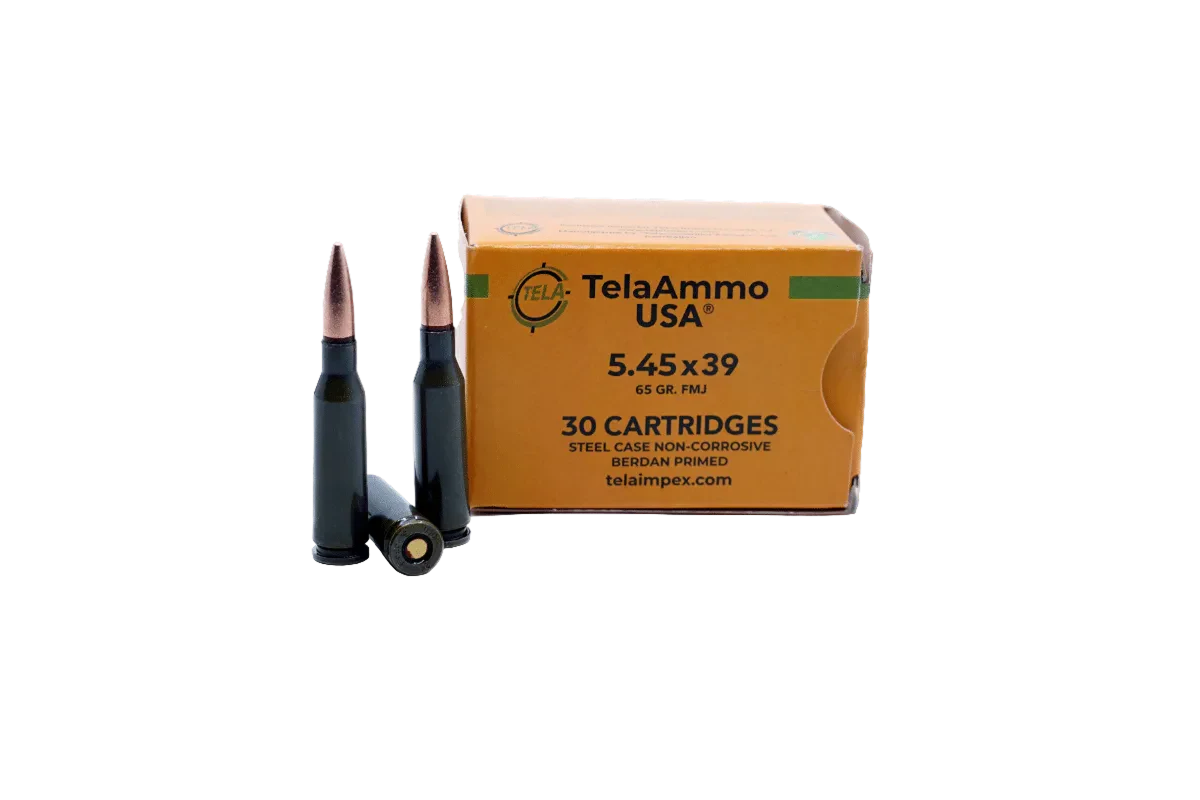
The 5.56mm is a small-caliber, high-velocity round firing lightweight .224-inch projectiles typically weighing between 45 and 77 grains. Velocities often approach or exceed 3,000 feet per second.
That combination light weight and high velocity creates terminal behavior very different from that of heavier, slower handgun bullets or buckshot pellets.
The .223 Remington was developed alongside the AR-15 platform by engineers including Eugene Stoner. Following adoption by the U.S. military in the 1960s, the cartridge evolved into the standardized 5.56x45mm NATO round.
Today, it remains one of the most popular rifle cartridges in the United States. Paired with the AR-15 platform, it offers:
These characteristics make it highly controllable—even for smaller-framed or recoil-sensitive shooters.

Drywall is often misunderstood. It is not a structural barrier; it is essentially compressed gypsum sandwiched between thin paper layers. Almost any defensive round handgun, shotgun, or rifle will pass through interior walls.
However, projectile behavior differs significantly.
Lightweight varmint-style 5.56 projectiles tend to:
This fragmentation can reduce penetration through building materials compared to many handgun rounds, which are heavier and slower. When hollow points clog with drywall dust, they may behave like full metal jacket rounds, penetrating multiple walls.
Proper ballistic testing has demonstrated that certain 55-grain 5.56 loads can penetrate less drywall than common 9mm service ammunition or 12-gauge buckshot.
Not all 5.56 ammunition is appropriate for defensive use.
In close living quarters, minimizing barrier penetration is critical.
Recommended:
These loads fragment aggressively, reducing the likelihood of excessive wall penetration while still delivering substantial soft-tissue disruption.
In more open residential areas where limited barrier penetration may be necessary:
Recommended:
These loads provide improved weight retention and more consistent performance through intermediate barriers such as auto glass or doors.
In rural settings, deeper penetration may be required.
Recommended:
These projectiles are designed for controlled expansion and high weight retention, offering dependable performance against barriers.

Handgun and shotgun projectiles:
High-velocity 5.56 projectiles:
Because of these characteristics, certain 5.56 loads can present less risk of overpenetration than commonly assumed.
A properly configured AR-15 chambered in 5.56 offers:
For trained users, the platform can be easier to shoot accurately under stress than a pump shotgun and more controllable than many handguns.
No firearm eliminates risk. Every projectile capable of stopping a threat can also pass through interior materials under the wrong conditions.
Drywall is concealment not cover.
Ammunition choice, training, and situational awareness remain paramount. The responsibility for every round fired rests solely with the shooter.
The .223 Remington / 5.56 NATO cartridge is frequently misunderstood in the home-defense debate. When paired with carefully selected defensive ammunition, it offers controllability, accuracy, and terminal performance that rival or exceed traditional handgun and shotgun options.
For many trained firearm owners, the lightweight 5.56 carbine may not only be a viable defensive tool but arguably one of the most effective choices available for protecting the home.
Get the latest 2A news and updates, plus save on gear, guns, ammo, and accessories. Join over 1.1 million readers for our daily email
By clicking one of the buttons above, you agree to our Terms & Conditions and Privacy Policy. Cancellation takes effect at the end of the next business day.
Firearms news where precision meets passion, and every shot matters. We're proud champions of history's patriots and steadfast defenders of the Second Amendment.