Recommended Products
Sponsored

Shoulder holsters are a classic firearm carry method often associated with spies and detectives in movies. In reality, they can be extremely comfortable and practical in certain situations, but they are not always ideal for everyday concealed carry. Choosing the right holster style, firearm, and clothing setup is essential for making this carry method work effectively.
Pop culture has long glamorized shoulder holsters. Characters like James Bond made them look effortless, often hiding a pistol beneath a perfectly tailored suit while moving through crowded rooms.
In those stories, Bond famously carried the compact Walther PPK in a shoulder rig under a fitted jacket. While it looks sleek on screen, concealing even a small handgun like that in a shoulder holster without printing through clothing is far more difficult in real life.
Movies and television tend to simplify how firearms are carried and used. Outside of fiction, successfully concealing a handgun with a shoulder holster requires more planning and realistic expectations.
Many experienced firearm owners experiment with several carry methods over time. Common styles include:
Each method has its own advantages and limitations. Shoulder holsters can be comfortable, particularly for long periods of wear, but they often require heavier outer clothing such as jackets or coats to conceal the firearm effectively.
For people living in warmer climates where lighter clothing is common, hiding a handgun in a shoulder rig can be challenging.
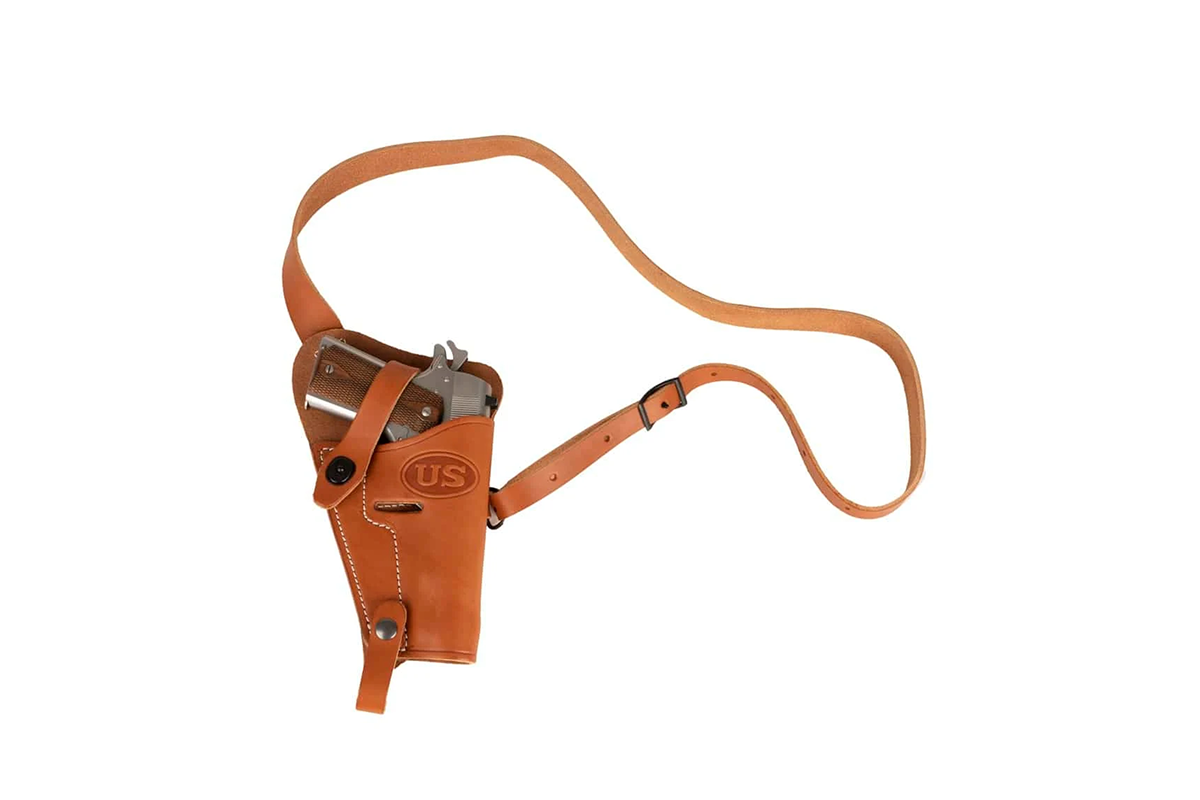
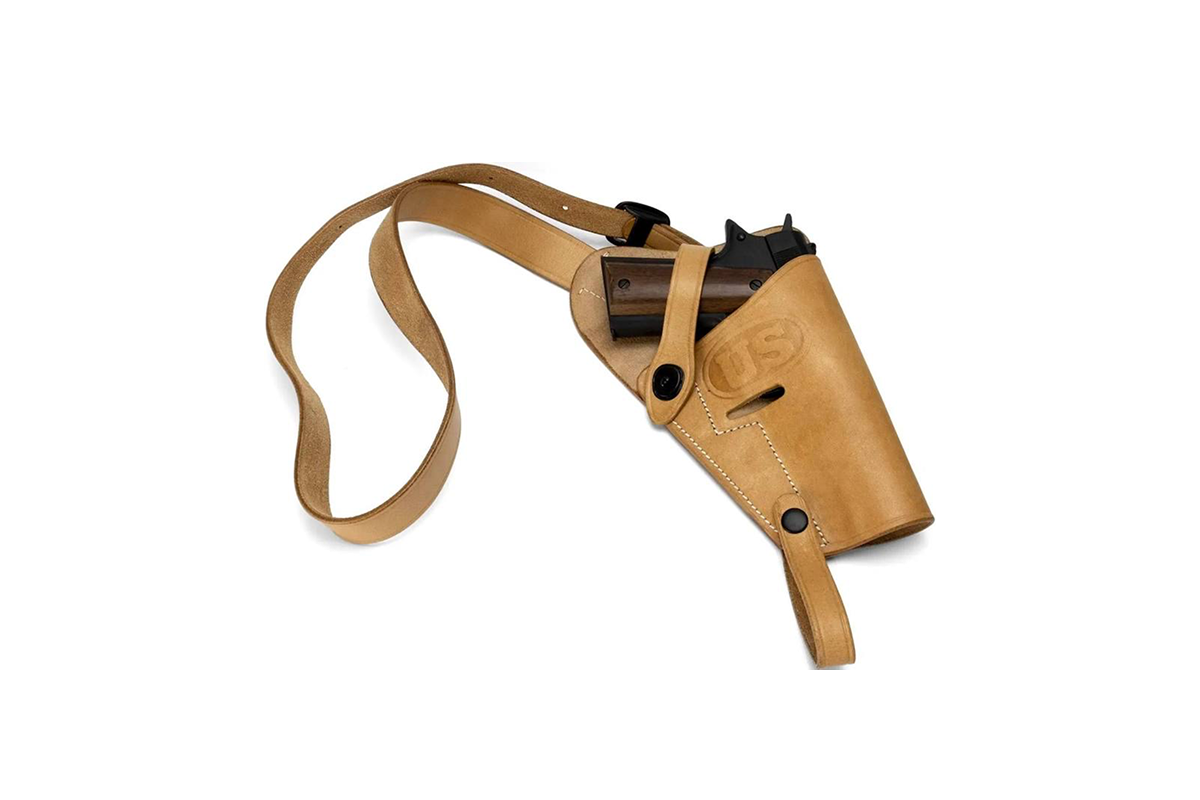
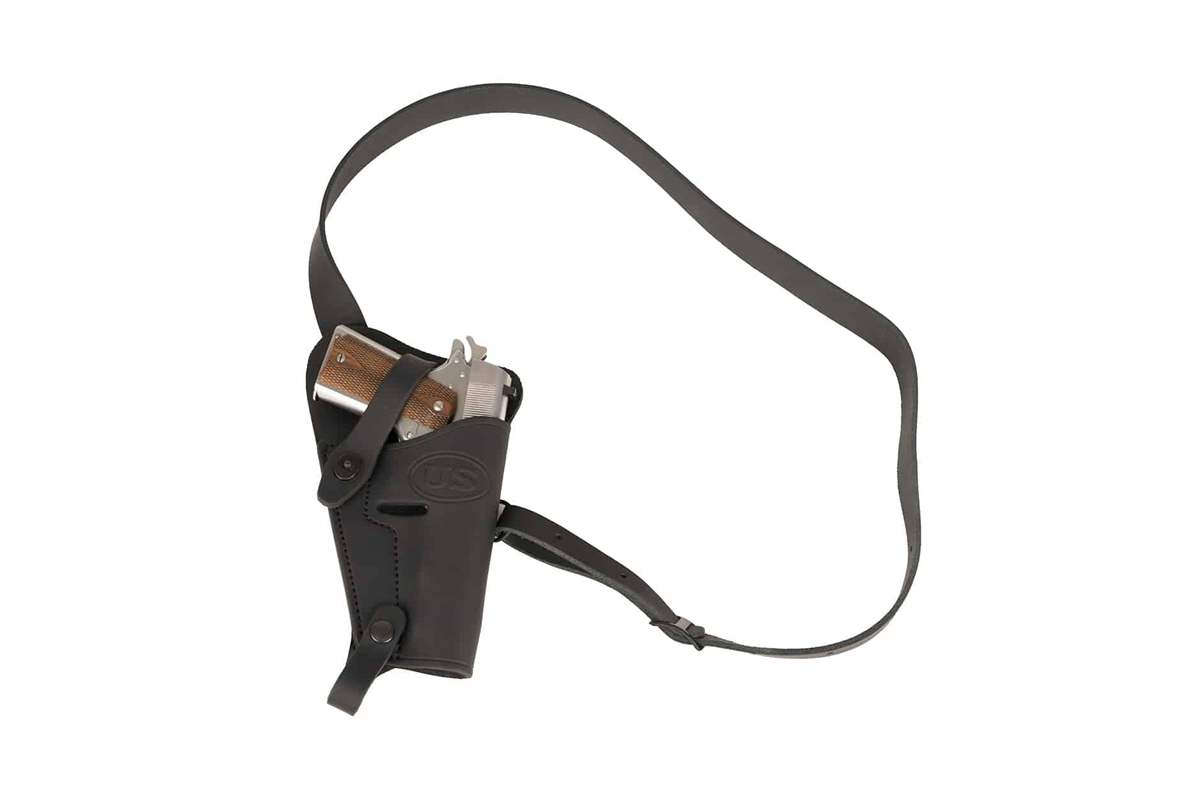
Shoulder holsters have been used for decades. One early example is the military-issued M3 shoulder holster, which was originally designed to carry the M1911 pistol.
Although simple in design, the M3 holster became popular because it distributed the weight of the firearm across the shoulders rather than concentrating it on the belt.
Older holsters like these were often comfortable and durable but were not designed with concealment in mind.
Compact pistols work better in shoulder holsters than larger firearms. A well-known example is the Walther PPK/S, which has long been associated with concealed carry.
Some holster makers specialize in minimalist shoulder rigs designed for smaller handguns. Companies such as Galco have built a reputation for producing comfortable and well-designed shoulder holster systems.
Even with a small handgun, though, concealment still depends heavily on clothing choices. Lightweight shirts or tight-fitting jackets may reveal the outline of the firearm.
Shoulder holsters generally carry the pistol in one of two orientations:
Horizontal Carry
Vertical Carry
The choice usually depends on the size of the firearm and personal preference.
One of the biggest advantages of shoulder holsters is comfort. Because the firearm’s weight is distributed across the shoulders rather than the waist, they can feel much easier to wear for extended periods.
This is especially helpful in situations such as:
However, shoulder holsters take up more space under clothing. When bending forward or reaching, the holster may shift or become visible.
Because of this, many concealed carriers prefer belt-mounted options for everyday use.
Despite their limitations, shoulder holsters still have practical uses.
They can be particularly effective in:
In these scenarios, comfort and accessibility often outweigh concealment concerns.
Another option sometimes favored by outdoor enthusiasts is the chest holster.
Manufacturers such as Gunfighters Inc produce chest rigs that place the handgun on the front of the torso. These designs are popular among hikers, hunters, and anglers who want quick access to a firearm without it interfering with backpacks or belts.
Chest rigs are typically intended for open carry rather than concealment.
Shoulder holsters remain one of the most comfortable ways to carry a handgun, but they are not always the most practical choice for concealed carry.
While films featuring characters like James Bond make them look effortless, real-world use requires the right holster design, firearm size, and clothing combination.
For many people, shoulder holsters are best reserved for specific situations such as long travel days or outdoor activities rather than everyday concealed carry. Like all carry methods, they involve trade-offs between comfort, accessibility, and concealment.
Get the latest 2A news and updates, plus save on gear, guns, ammo, and accessories. Join over 1.1 million readers for our daily email
By clicking one of the buttons above, you agree to our Terms & Conditions and Privacy Policy. Cancellation takes effect at the end of the next business day.
Firearms news where precision meets passion, and every shot matters. We're proud champions of history's patriots and steadfast defenders of the Second Amendment.